How we specify
Three problems we hear, and what we do about them.
Nobody rings up wanting a scan engine. They ring up because
something on the floor is costing them, usually every day, usually for years. These are
the three we hear most, and the answer to each is a decision rather than a device.
“Someone is always up a ladder”
The label is high in the racking, or across an aisle, or on a container three rows back.
So a person walks over, or climbs, or moves a forklift to get close enough. It reads as
normal because it has always been normal, and it is quietly the most expensive habit in
the building.
The fix is read distance, and it is worth knowing what is actually available before
anyone spends money on it: an MC9400 reads a barcode up to 30 metres away, held in the
hand. What we ask on the phone is how far the furthest label you genuinely have to
read is, and how high — because if the answer is four metres, extended range is
money you do not need to spend, and we will say so.
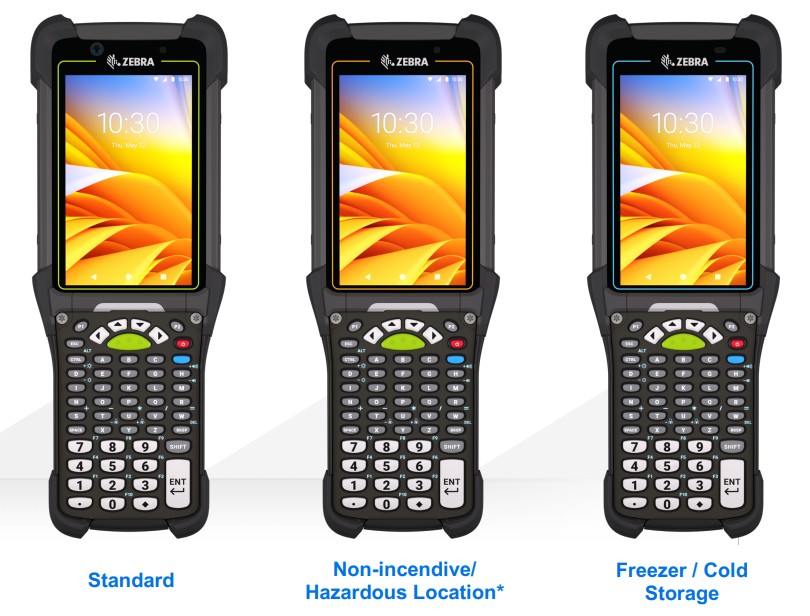
“They work fine until they come out of the freezer”
This one has a signature. The device behaves perfectly in the cold store, then goes to a
dock at ambient, fogs over, and somebody wipes the screen on their sleeve to read it. Over
a year the condensation gets inside and the failures start arriving in threes.
The answer is not a tougher device, it is a different build — a heated touch
panel, a heated scanner window and a battery rated for the cold, so the machine never
reaches the temperature where water forms on it. What we need from you is the whole
journey, not the coldest number: where the device starts, where it ends, and how many
times a shift it crosses between them. That is the question that decides it, and it is
not on any spec sheet.
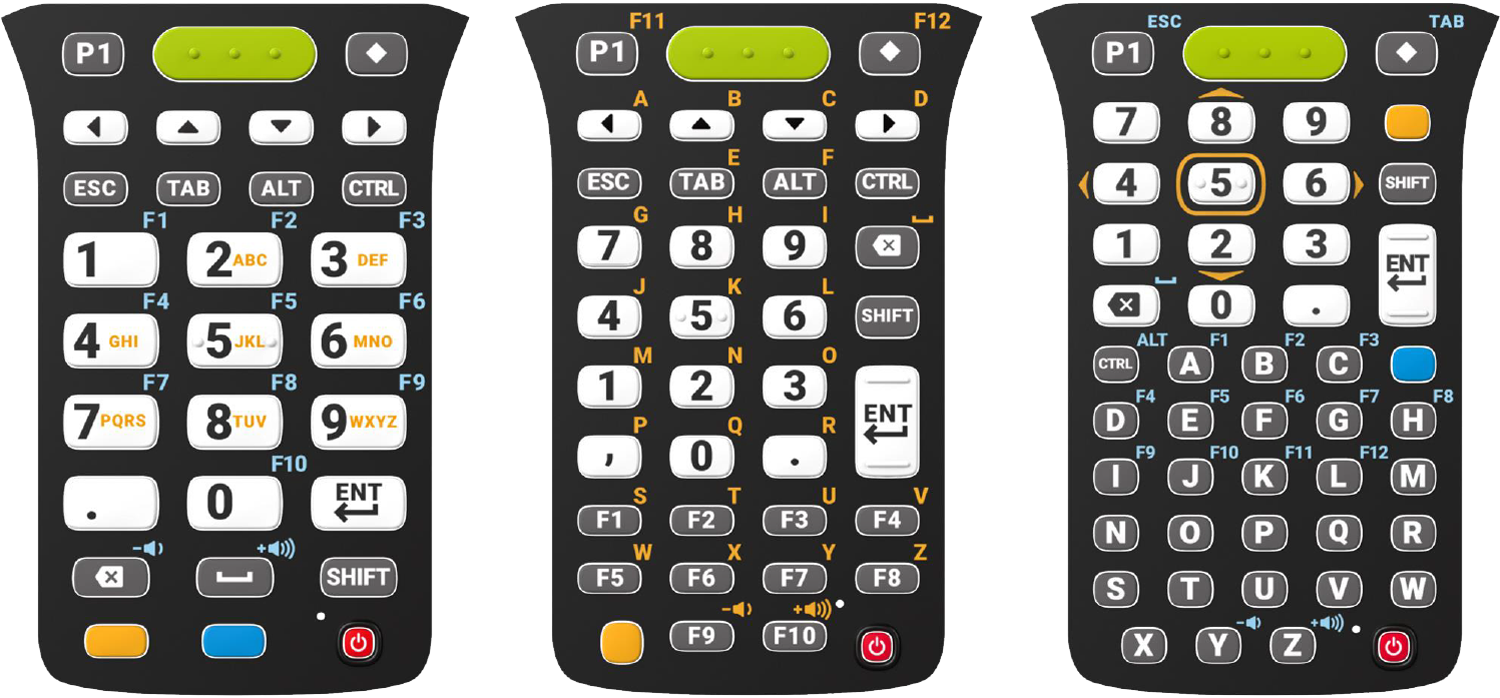
“We ordered fifty and the keypad is wrong”
The worst version of this call comes six weeks after delivery, when the operators have
stopped complaining and started working around it. On most devices the keypad is fitted at
the factory, so there is nothing to be done: fifty wrong devices stay wrong for their
whole working life.
Which is why we would rather have the conversation about your software first — and
why, on a fleet where the work might change, we will point out that the MC9400's
keypads come off in the field and most others do not. That is not a feature we are
selling you. It is insurance against a decision nobody can make perfectly in advance.
None of this makes the dearest device the right one. Half the time the
conversation ends with a cheaper machine than the one that was asked for, because the
racking is low, the room is ambient and the software wants a numeric keypad. Thirty-five
years of fitting these has mostly taught us which questions change the answer —
and the answer is often that you already have what you need.