We have met your problem
Printheads that fail early, scanners that will not read one particular label, counts that never reconcile. These are not new problems and there are usually two or three likely causes, not twenty.
Barcode Datalink has been putting barcodes onto things and reading them off again in Australia since 1991. The job has never changed: get accurate data off a shelf and into a system without a person retyping it. What has changed, roughly once a decade, is the equipment — and each time we have had to learn it properly rather than sell it out of a catalogue.
The Psion Organiser first, doing real stocktakes in Australian warehouses while most people still thought of it as a pocket diary. Then the Nippon Denso BHT-3000, the Symbol PDT3100 series, and later the Symbol LDT-3805. Monochrome screens, a wand or a laser, a few hundred kilobytes of memory, and a serial cradle.
All of it was batch. Operators counted all day, docked the terminal, and the data went up that evening. A revolution over a clipboard — but you found out about a mistake the next morning, by which time the pallet had moved.
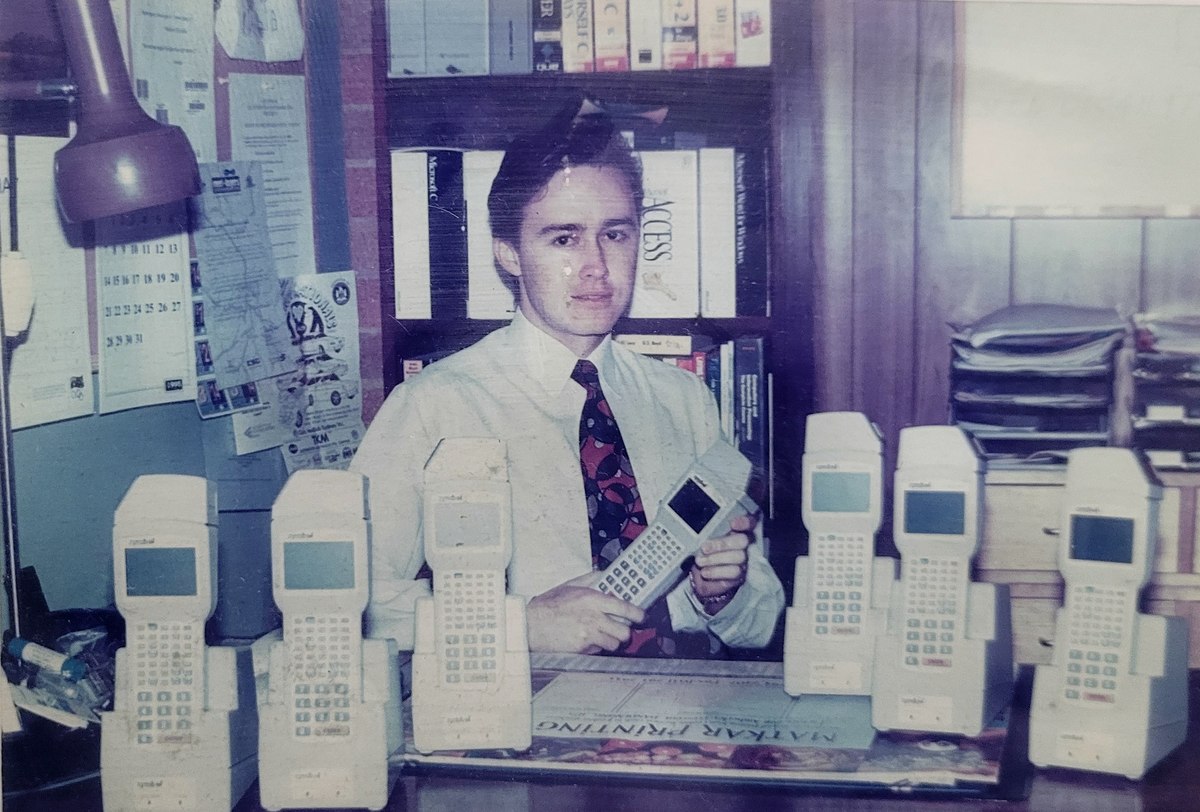
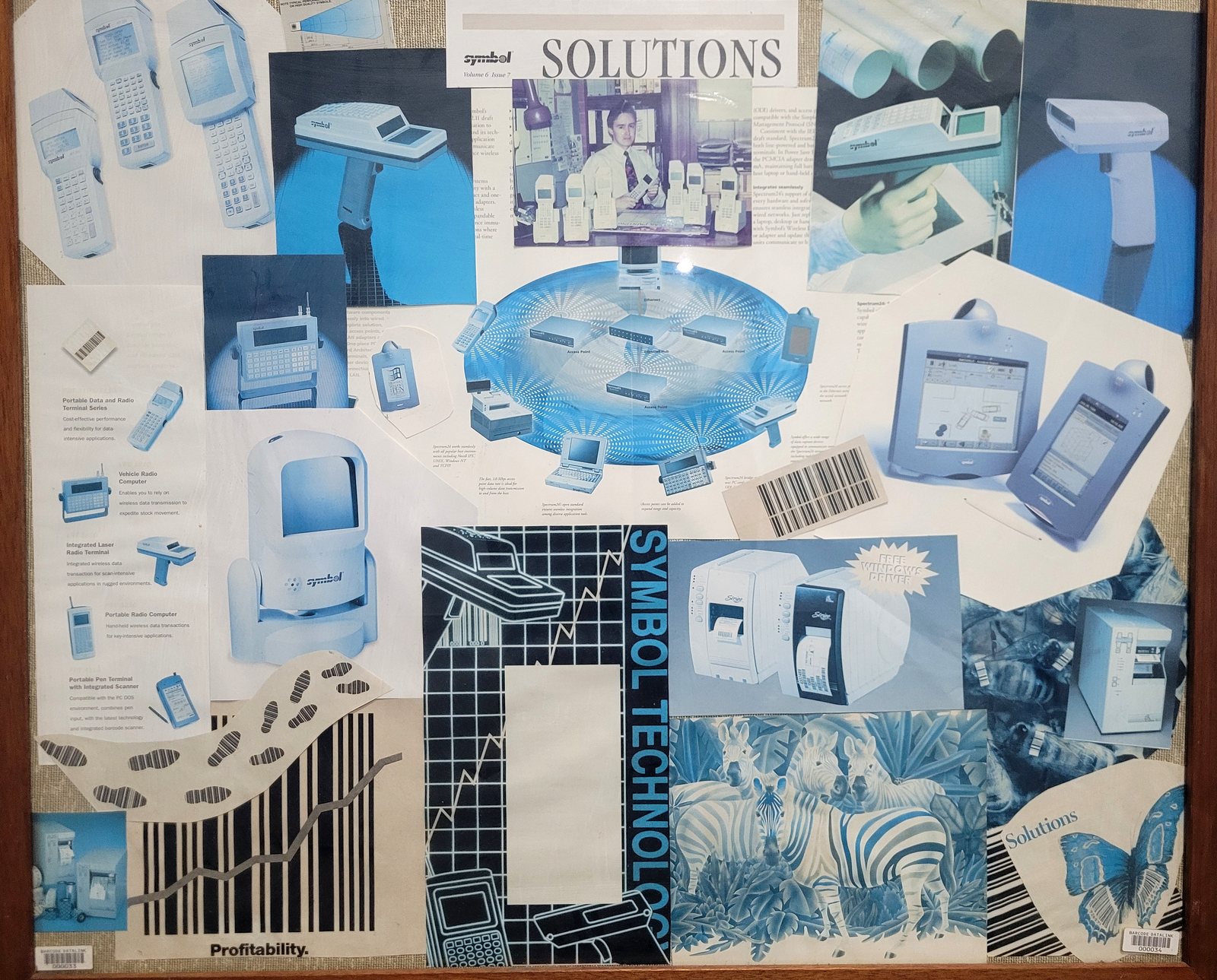
Symbol Technologies was bought by Motorola in 2007, and Zebra bought that enterprise business from Motorola in 2014. The name on the scanner changed twice without much changing underneath it — which is why a customer with a drawer of Motorola-badged equipment is not as stranded as they think, and why we can usually tell you what a fifteen-year-old device will and will not still do.

Batch terminals, serial cradles and Spectrum24 wireless — the equipment in the photograph below, sold and installed when it was new.

Same engineers, same part numbers, a different name on the box. Almost nothing underneath it changed, which is the whole point of this row.

Everything we sell new. A scanner bought from us in 1995 and one bought today are the same product line, three owners apart.

Printheads that fail early, scanners that will not read one particular label, counts that never reconcile. These are not new problems and there are usually two or three likely causes, not twenty.
Which printers still have printheads available, which scanners can still take a current Android, and which are genuinely at the end. Buying advice is worth more when it sometimes says don't.
Stocktakes Online is ours, written for the scanners we sell. When something in the field does not work, there is nobody to blame and nobody to wait for.
In 2008, Windows Mobile arrived with colour screens, real databases and — the part that mattered — wireless. That was the moment a count could stop waiting until the evening, and we built a portal so scanning went online as it happened. It is the same idea the current product still runs on: the count is not yours until it has left the device.
Not a call centre, not somebody reading you a spec sheet. The same number since 1991.